Caring for everyone: reliable measurements without unnecessary worries

When it comes to health, there are no small details. We at A2V understand this better than anyone. Our mission is to free you from the fear of getting an inaccurate result and make diabetes self-monitoring as simple and comfortable as possible. In this presentation, we will explain in detail how A2V's technological solutions give you confidence in every measurement without unnecessary actions or stress.

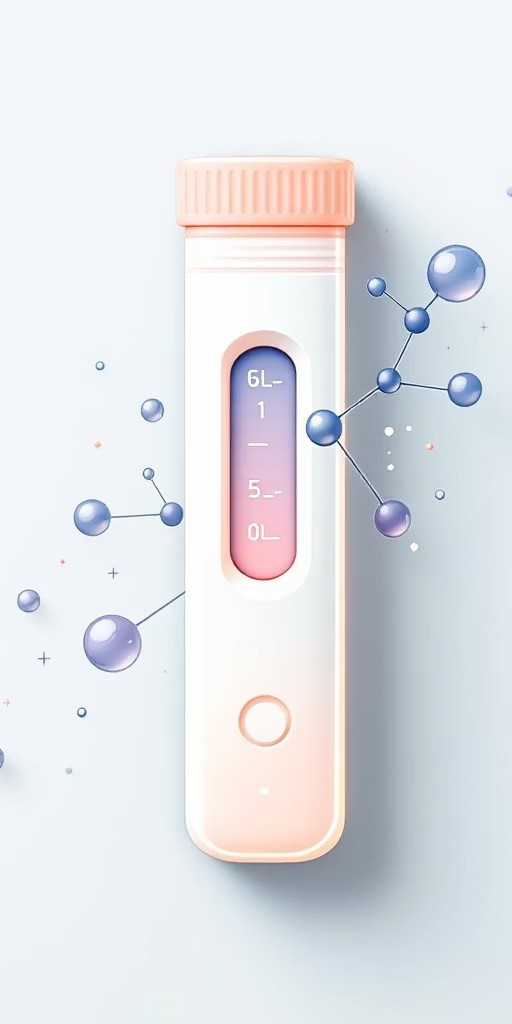
The heart of accuracy — GDH-FAD enzyme

GDH-FAD (glucose dehydrogenase with flavin adenine dinucleotide cofactor) is a key component of our test strips. This isn't just a complex name: it's a biochemical guarantee that the strip's reaction responds only to glucose, not to foreign substances.

High specificity

GDH-FAD only "sees" glucose molecules, minimizing false readings caused by other substances.

Interference resistance

Ignores the influence of oxygen, acetone, medications, and dietary components that distort measurements in older systems.

Result stability

Ensures predictable readings in different conditions: at home, on the road, in the clinic.

Why this matters to you

Measurement accuracy directly impacts therapy quality and the patient's emotional state. Inaccurate values can lead to insulin dosing errors, unnecessary stress, and extra doctor visits. GDH-FAD technology reduces the risk of erroneous control and provides confidence in daily decisions.
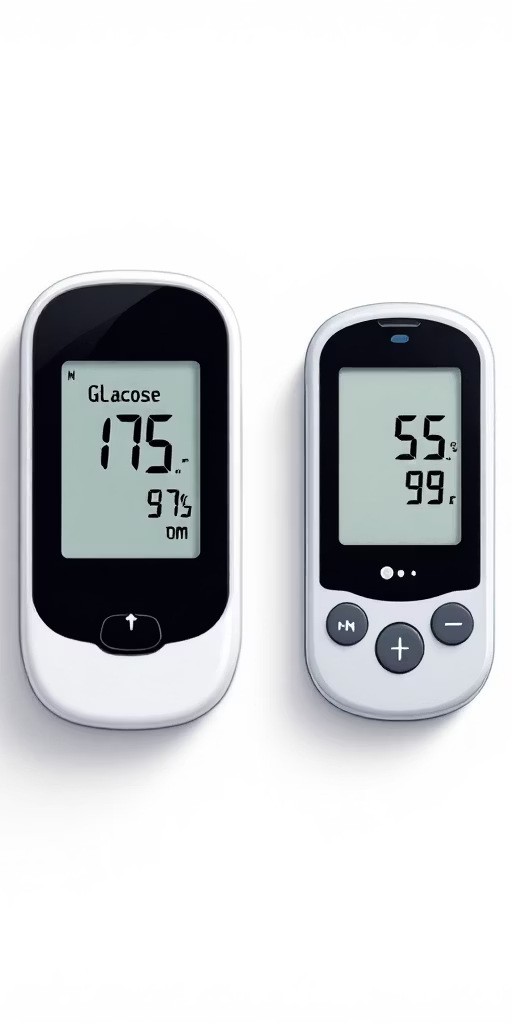
Fewer medical risks
Accurate data — fewer hypo/hyperglycemic events, more precise therapy adjustments.
Less stress
Reliable results reduce anxiety for the patient and their loved ones.
Saves time and money
Fewer repeat measurements, fewer errors, fewer unnecessary consultations.

Comfort in details: low blood volume

We understand that frequent pricks are a source of discomfort. That's why A2V requires only 0.6-1.0 µl of blood for analysis. Practical advantages:

Minimal trauma

Smaller volume means finer lancets and an almost painless procedure, especially important for children and people with sensitive skin.

Convenience for frequent monitoring

Frequent measurements become less unpleasant, which improves adherence to self-monitoring routines.

These improvements make the measurement process gentler without compromising accuracy.

Versatility: correct operation with capillary and venous blood

A2V is designed to provide stable results with both capillary (from the finger) and venous blood. This is important for different patient groups: from children and the elderly to those undergoing laboratory tests.

For children

Small blood volume and high sensitivity minimize stress in young patients.

For the elderly

Reliable readings despite thin skin and changes in microcirculation.

For clinics

Compatibility with venous samples simplifies integration into laboratory protocols.

"Second Chance" technology — fewer errors, less worry

Incomplete strip filling is a common cause of repeated measurements. The "Second Chance" function allows you to add more blood within a few seconds, preserving the reagents and the correctness of the result. This reduces waste and user nervousness.

Practical benefit
Fewer wasted strips, less test overuse, and savings on the family budget.
Emotional benefit
The user feels supported: one mistake doesn't turn into a major headache.

No coding — fewer steps, fewer errors

Manual code entry is an unnecessary complexity and a source of errors. A2V strips do not require coding: just insert the strip, and the device is ready to measure. This reduces the chance of human error and speeds up the monitoring process.

Simple

Fewer actions - easier to follow the measurement routine.

Reliable

Eliminates a source of inaccuracy, especially useful for people with visual or motor impairments.


Compliance with international standards: ISO 15197:2013

We are proud that A2V products meet the stringent ISO 15197:2013 standard. This means our measurement system has been verified for accuracy and reproducibility criteria accepted worldwide. For you, this is a guarantee of comparability with leading brands at a more affordable price.

ISO requirements
Permissible error limits, testing in different conditions and on different user groups.
Real benefit
Reliability of results confirmed by independent bodies.

Why patients and their families choose A2V

Our product is designed with real needs in mind: accuracy, comfort, ease of use, and affordability. A2V is the choice for those who value reliability and want to minimize the everyday hassles of diabetes management.

For an active life

Fast and accurate measurements help safely plan physical activity and nutrition.

For families

Ease of use and small blood volume make testing less traumatic for children.

For clinics

Stable results with venous and capillary samples simplify workflows and data interpretation.

Brief summary and what's next

The GDH-FAD technology in A2V test strips combines clinical accuracy with everyday comfort. We eliminate unnecessary steps and sources of error, leaving what truly matters: reliable data and patient peace of mind. If you want to test A2V or get advice on implementation in a clinic — we are ready to help.

Accuracy guarantee
GDH-FAD: specificity and interference resistance.
Comfort
0.6-1.0 µl of blood and "Second Chance" technology.
Affordability
Global ISO standards at an affordable price.

Contact us for a demo, test package, or questions about clinical validation — we are here to make self-monitoring simpler and more reliable.

Why choose A2V?

Affordable premium quality control—health without overpaying
An accurate picture of health]
Results unaffected by vitamin C, medications, or oxygen—thanks to the GDH-FAD enzyme, you get reliable data for dietary and insulin adjustments.
Lifelong confidence
A lifetime warranty on the glucometer means the device will last for years without breaking down, saving you money on repairs and replacements while getting a reliable assistant forever.
Available
every day
Fair pricing on test strips and glucometers means regular blood sugar monitoring won't break your budget, allowing you to spend money on your health rather than overpaying.
Easy for all ages
A large, bright screen, simple buttons, and an intuitive interface make measuring sugar comfortable for both elderly parents, teenagers, and people with visual impairments.

Where to buy?

A2V successfully OPERATES throughout KAZAKHSTAN
  • Almaty
  • Astana
  • Shymkent
  • Karaganda
  • Aktobe
  • Taraz
  • Pavlodar
  • Oskemen
  • Semey
  • Atyrau
  • Kostanay
  • Kyzylorda
  • Oral
  • Petropavlovsk
  • Aktau
  • Temirtau
  • Turkistan
  • Kokshetau
  • Taldykorgan
  • Ekibastuz
  • Rudny
  • Zhezkazgan
  • Balkhash
  • Satpayev
  • Zhanaozen
  • Kentau
  • Arkalyk
  • Aksai
  • Shakhtinsk
  • Kaskelen
DIDN'T FIND YOUR REGION?

FAQ

Everything you need to know about A2V
A2V frequently asked questions: test strips and glucometers — how to measure correctly, without interference from vitamins,
automatic coding, lifetime warranty, expiration date, error troubleshooting. Everything you need to know!
How is GDH-FAD technology different from older glucometers?
GDH-FAD (glucose dehydrogenase with FAD cofactor) is specific only to glucose. Unlike older GDH-PQQ or glucose oxidase systems, it does not give falsely high results when interacting with other sugars (maltose, galactose) in the blood.
How much blood is needed for a measurement?
Typically, a capillary blood drop of 0.3 to 0.6 µl (microliters) is required.
How long does one measurement take?
On average, 4 to 8 seconds.
Is it necessary to enter a code from the test strips each time?
No. Modern glucometers with GDH-FAD technology (such as the A2V) use automatic coding—the device reads the code automatically when the strip is inserted.
How long does the A2V glucometer last?
The service life is typically 3–5 years, provided it is used carefully and without mechanical damage.
Can I use test strips from other brands with the A2V glucometer?
No. Only original test strips designed for this specific model can be used. Universal strips do not exist.
Why do the A2V readings differ from another glucometer?
A difference in readings (up to 15–20%) is acceptable. It can occur due to different measurement methods (capillary vs. venous blood), device tolerances, temperature, strip storage conditions, or improper testing technique.
How can I check if the glucometer is measuring correctly?
Use a control solution (testing liquid). Apply it to the strip instead of blood. The result must fall within the range printed on the test strip vial.
Where and how should I store test strips?
In the tightly closed original vial, at room temperature (between +2°C and +30°C), in a dry place away from direct sunlight. Do not store in the refrigerator or bathroom.
What should I do if the glucometer shows an error?
Check if the strip is inserted correctly, if the blood drop was sufficient, if the device's contacts are clean, and if the strips are within their expiration date. If the error persists, contact the manufacturer's customer support.
Have questions? Ask online

Reviews based on real health monitoring

A2V — accuracy trusted every day
Opinions from users who have already integrated A2V solutions into their daily glucose monitoring.
Real-life experience, practical assessment of measurement accuracy and ease of use at home.

I have been using the A2V TEST glucose meter for several months now — it measures quickly, and the result appears in just a few seconds. The memory is more than sufficient, making it easy to track sugar dynamics. The test strips work consistently without errors, which is critical for me in daily monitoring.

I bought the glucose meter along with A2V test strips for home monitoring. The device is compact and easy to use; I figured it out without a doctor’s help. The strips are conveniently packaged and economical to use. The readings match laboratory analyses, so I quickly gained trust in the brand.

For me, accuracy and measurement speed are important — A2V fully met this need. The device works steadily, the screen is large, and the result is easy to read. The test strips are high‑quality and do not require a second prick. I use them daily — no complaints, a worthy option for ongoing diabetes management.